

Table of Contents
- Why Look for Alternatives to Dylon for Dyeing Cotton
- How to Dye Cotton at Home: What You Need to Know
- Fabric Dyes for the Washing Machine: The Best Options
- Aybel: Versatility and Affordability for Cotton
- Comparison of Alternatives: Comparison Table
- Hand Dyeing vs. Machine Dyeing for Cotton
- Avoiding Faded Colors: Durability and Color Fastness
- Conclusion: Which Alternative to Dylon Should You Choose?
Last updated: August 11, 2026
Why Look for Alternatives to Dylon for Dyeing Cotton
Dyeing cotton at home has become increasingly popular among those who want to extend the life of their garments and reduce waste. Finding the right alternative to Dylon Cotton means achieving professional results without compromising on color quality or the durability of the dye job. Aybel offers a versatile and affordable solution for those who want to easily refresh their natural fabrics.
There are many reasons to look for alternatives: the available options offer different features in terms of application, price range, and compatibility with specific fibers. Some prefer to dye by hand for greater control, while others prefer the convenience of a washing machine. There is no one-size-fits-all solution: it depends on the project, the type of fabric, and the desired results.
This article explores the best alternatives to Dylon for cotton, comparing machine-washable fabric dyes, hand-dyeing solutions, and eco-friendly options. You’ll learn how to prepare the fabric properly, which dyeing method to choose, and how to achieve long-lasting, even colors.

How to Dye Cotton at Home: What You Need to Know
Natural Fibers vs. Synthetic Fibers: Which Dye to Choose
Cotton is a cellulose fiber that absorbs dyes differently than synthetic fibers. Understanding this difference is essential for choosing the right dye and achieving satisfactory results.
Natural fibers such as cotton, linen, viscose, and silk absorb dyes easily due to their porous structure. Direct dyes and fiber-reactive dyes penetrate the fibers and form stable chemical bonds, ensuring excellent color fastness. Synthetic fibers such as polyester and acrylic require specific dyes and higher temperatures.
A garment made of 100% cotton will dye evenly, while one containing 30% polyester will have lighter shades on the synthetic parts. If you’re working with blended fabrics, you’ll need to look for dyes specifically designed for blends or accept that the shades won’t be uniform throughout the garment.
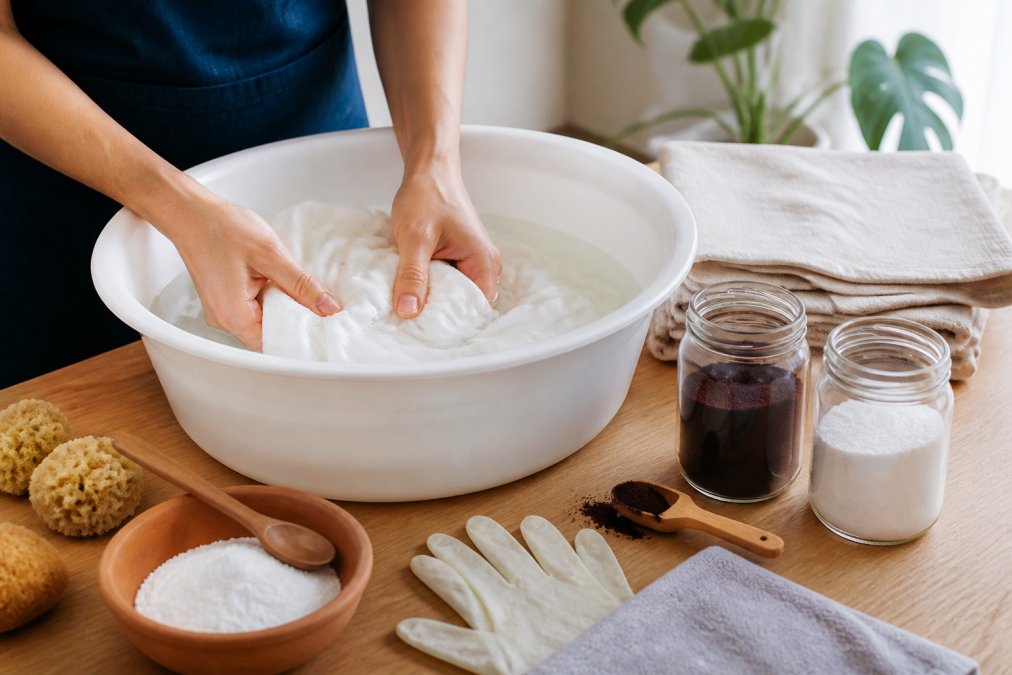
Fabric Preparation and Color Fixation
Preparation is the step that most beginners skip, and it is often the reason why the results are disappointing. Before dyeing, the fabric must be clean and thoroughly wet to ensure even absorption of the dye.
Start by washing the garment in lukewarm water with a mild detergent to remove finishing residues and dirt. Rinse thoroughly until the water runs completely clear. Soap residues create barriers that prevent the dye from penetrating evenly.
Some dyes, such as fiber-reactive dyes, require the addition of sodium carbonate as a fixative. This chemical agent allows the dye to bond permanently to the fibers. Without proper fixation, the color fades quickly during the first few washes. For machine dyeing, many modern dyes already include the fixative in their formulation. Water temperature is equally important: hot water accelerates the fixation process and improves dye penetration.
Fabric Dyes for the Washing Machine: The Best Options
Laundry dyes are the most practical choice for most users. They are formulated to work at standard washing temperatures (30–40°C) and often include a fixative in the package.
Coloreria Italiana Tutto in 1 is a reliable choice for those looking for simplicity. The "all-in-one" formula includes salt, eliminating the need to purchase additional ingredients. It is suitable for cotton, linen, viscose, and silk. The price is around 5.99 euros per package.
Nuncas Tintoria offers a more professional approach. It is a liquid dye specifically formulated for natural fibers, delivering intense and long-lasting results. One package dyes approximately 700 grams of fabric and costs about 8.20 euros.
Rit Dye is a classic choice available in liquid form in a wide range of colors. It works for both machine washing and hand dyeing, with prices ranging from 10.42 to 11.99 euros per 236-ml bottle. It is particularly popular among those who practice creative techniques such as tie-dye.
Marabu Fashion Color is ideal for blended fabrics, as it can be used on fabrics containing up to 20% synthetic fibers. Prices start at about 10.04 euros. The colors remain vibrant even after frequent washing at high temperatures.
Aybel: Versatility and Affordability for Cotton
Aybel stands out in the market thanks to its versatility and convenience. The single-use sachets are designed to dye cotton, silk, wool, linen, viscose, bamboo, and nylon.
Aybel’s biggest advantage is its ease of use. The packets contain just the right amount of dye for a standard garment, eliminating the risk of using the wrong amount. You can dye by hand or in the washing machine, offering flexibility depending on your project. Aybel provides a comprehensive user guide and personalized advice via photos—a service rarely found in the home dye market.
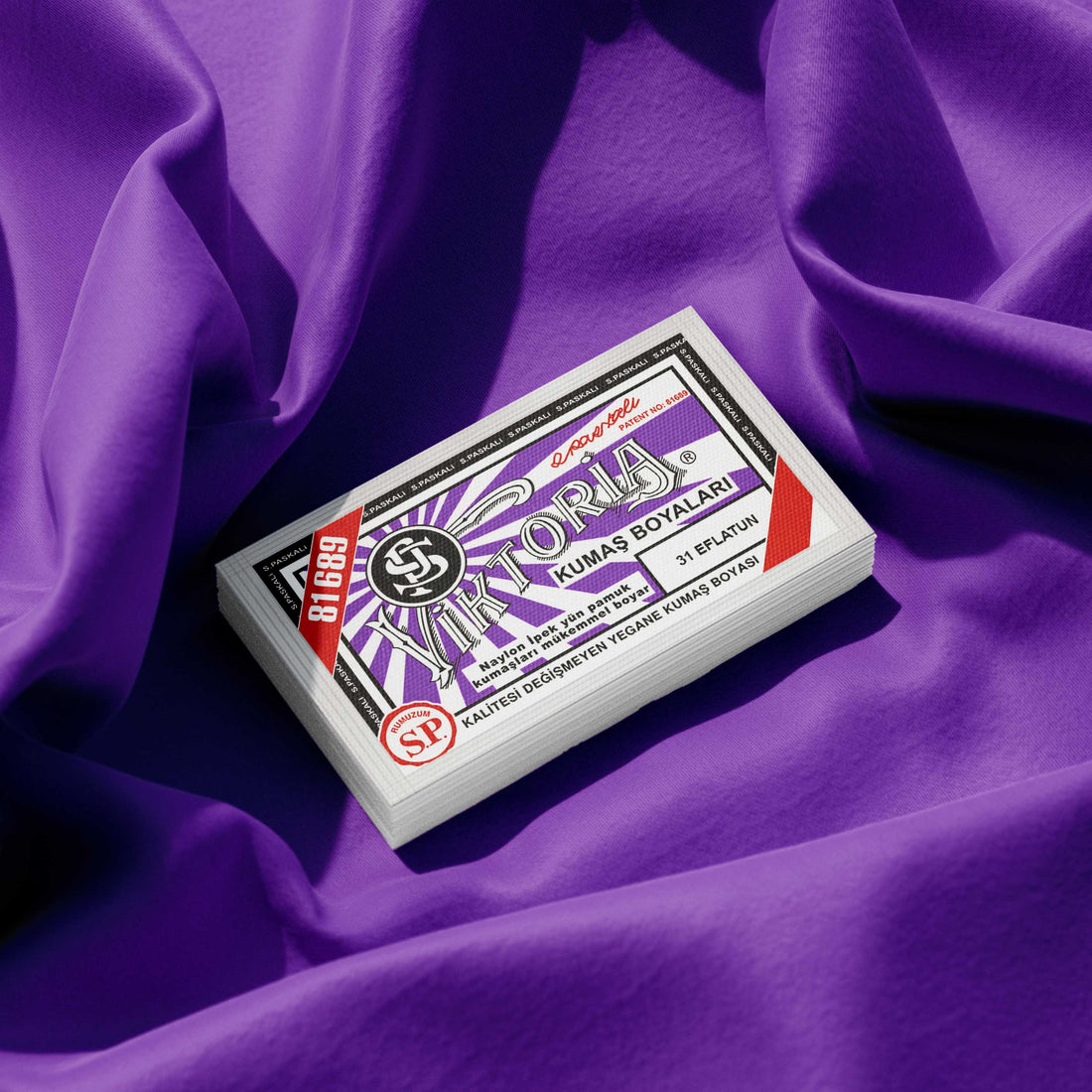
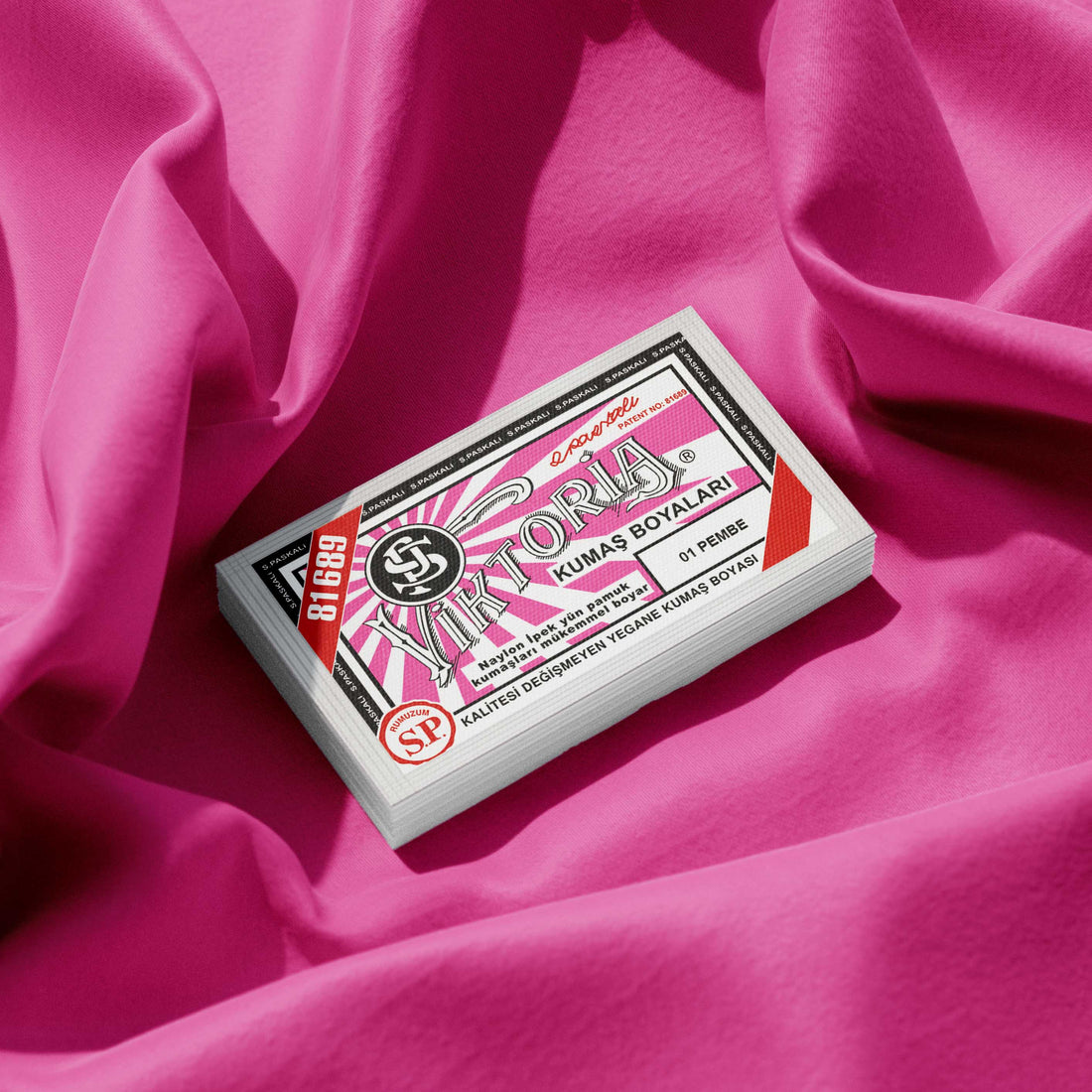
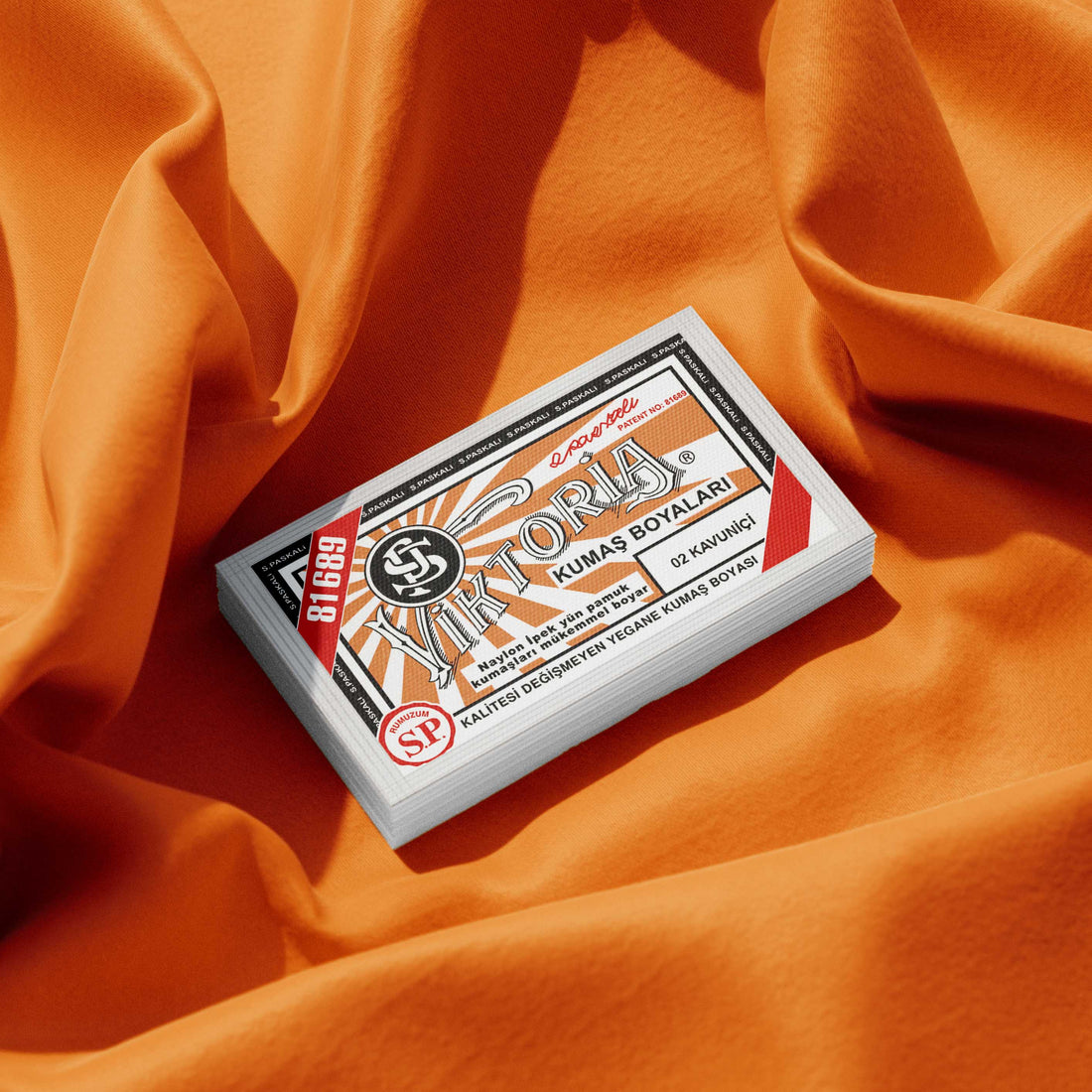
The price per packet is competitive: everything is already included in the formula, so there’s no need to buy separate fixatives. The available colors—such as Bright Lilac, Pink Fabric Dye, and Melon Orange—are all priced at 4.99 euros and offer excellent colorfastness.

Comparison of Alternatives: Comparison Table
| Brand | Price | Fiber Type | Method | Color Fastness | Ideal For |
|---|---|---|---|---|---|
| Aybel | €4,99 | Natural and Nylon | Hand/Washing Machine | Excellent | Beginners, Versatility |
| Italian Paint Shop | €5,99 | Natural | Washing Machine | Good | Budget, simplicity |
| Nuncas Dry Cleaners | €8,20 | Natural | Hand/Washing Machine | Excellent | Professionals, Intensity |
| Rit Dye | €10.42–11.99 | Natural | Hand/Washing Machine | Good | Creative Techniques |
| Marabu Fashion | €10.04+ | Natural and Mixed | Hand/Washing Machine | Excellent | Blended Fabrics |
| IRICOLORS Iridron | €5.20–14.99 | Natural Products and Accessories | Hand/Washing Machine | Excellent | Professionals, Customization |
| Phillacolor | €7.00–18.00 | Natural | Hand/Washing Machine | Good | Sustainability, Ecology |
This table summarizes the main features of each alternative to Dylon. The choice depends on your priorities: if you’re looking for the best value for your money, Aybel and Coloreria Italiana are unbeatable. If sustainability is a priority, Phillacolor offers completely natural hair dyes. For professional results, Nuncas and IRICOLORS are the best choices.
Hand Dyeing vs. Machine Dyeing for Cotton
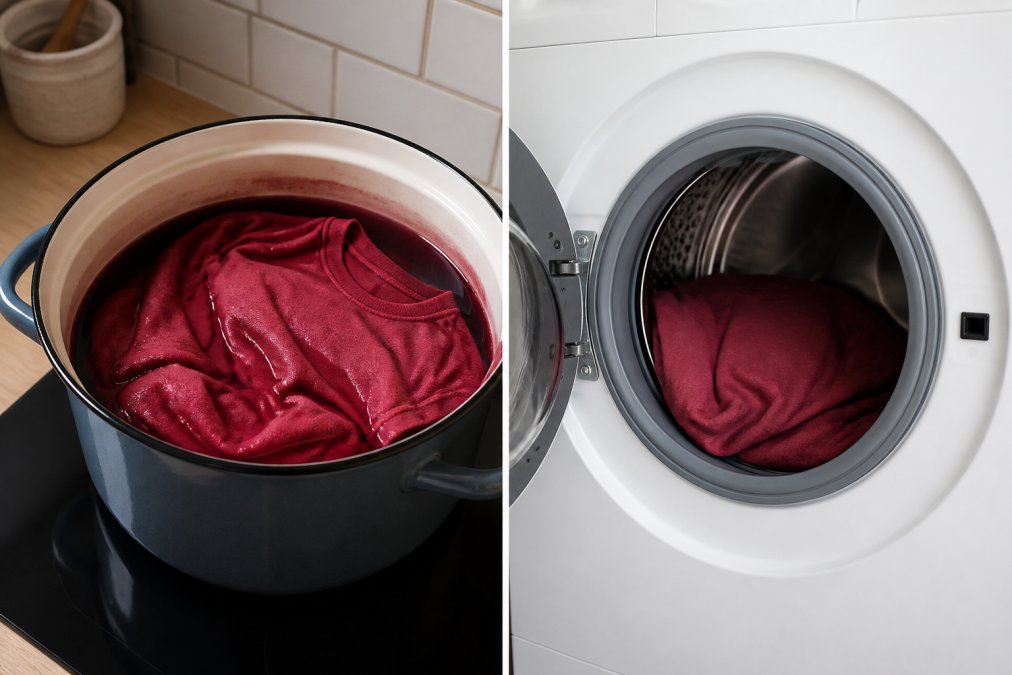
The choice between hand-dyeing and machine-dyeing affects both the final result and the time and effort required.
Hand-dyeing offers the greatest control over pigment saturation and color distribution. It is ideal for creative projects such as tie-dye, ombre, and shibori. However, it takes more time (30–45 minutes of active waiting) and carries the risk of staining. It also requires hot water, which increases energy consumption.
Dyeing in the washing machine is faster and less labor-intensive. You simply load the garment into the washing machine along with the dye and let the machine do the work. The total time is similar to a normal wash cycle (about 60 minutes), with minimal manual effort. The risk of staining is reduced because the garment is constantly moving. You have less control over the color distribution: the result will be more uniform, which is perfect if you’re looking for a solid color.
Many users choose machine dyeing for everyday garments where even color is desired. Hand dyeing is reserved for special projects where creative control is a priority. If you use high-quality dyes and follow the instructions, machine dyeing will not damage your washing machine. It’s a good idea to run an empty wash cycle with vinegar after dyeing to remove any residue.
Avoiding Faded Colors: Durability and Color Fastness
Colorfastness is a color's ability to resist fading during washing, exposure to sunlight, and general wear and tear. It is one of the most important factors to consider when choosing a dye.
Fiber-reactive dyes form permanent chemical bonds with the fibers and offer the best colorfastness. Direct dyes are less colorfast and tend to fade more quickly. Acid dyes offer excellent colorfastness on silk and wool but do not work well on cotton.
Fabric preparation and color fixation are crucial. Fabric that has not been rinsed properly will retain residues of unfixed dye, which will continue to bleed onto garments during subsequent washes. Insufficient fixation means that the dye does not fully bond to the fibers.
The type of wash affects durability. Washing at high temperatures, with strong detergents, and with frequent spin cycles accelerates fading. If you want to preserve the color, wash the dyed garment in cold water with a mild detergent.
A common mistake is to confuse "color fading" with "color transfer." Fading is the loss of overall intensity over time. Color transfer occurs when unfixed dye transfers to other garments during washing. Both are problems, but they have different causes.
Conclusion: Which Alternative to Dylon Should You Choose?
The choice of an alternative to Dylon Cotton depends on your specific priorities. If you’re looking for simplicity, convenience, and a competitive price, Aybel is the best solution. The single-use sachets eliminate the hassle of measuring out the right amount, work for both hand washing and machine washing, and the personalized support via photo consultation is a rare added value. Colors like Dark Pink and Cyclamen offer excellent color fastness at 4.99 euros per sachet.

If you prefer professional results and vibrant colors, Nuncas Tintoria is an excellent choice. For those who want to experiment with creative techniques, Rit Dye offers the versatility you need. If sustainability is your top priority, Phillacolor provides a completely natural alternative.
No matter which brand you choose, remember that the success of home dyeing depends mainly on how well you prepare the fabric, apply the dye correctly, and rinse it thoroughly at the end. A mid-range dye applied correctly will produce better results than a premium dye used carelessly.
Frequently Asked Questions
Do alternatives to Dylon work on 100% cotton?
Yes, most alternatives to Dylon work very well on pure cotton. Dyes such as Aybel, Rit Dye, Coloreria Italiana Tutto in 1, and Nuncas Tintoria are specifically formulated for natural fibers like cotton. The key is to follow the instructions regarding water temperature, soaking time, and the proper use of fixatives such as sodium carbonate. Pure cotton absorbs the dye evenly, ensuring professional-quality results.
What is the best dye for dyeing cotton without a mordant?
Machine-washable fabric dyes such as Aybel, Coloreria Italiana Tutto in 1, and Marabu Fashion Color already include the necessary fixatives in their formulas. These do not require the addition of a separate mordant. If you choose liquid dyes such as Rit Dye or IRICOLORS, you’ll need to add coarse salt or sodium carbonate to set the color. Aybel offers a convenient solution with single-use packets for just €4.99, ideal if you don’t want to deal with additional ingredients.
How can I avoid uneven stains when dyeing cotton at home?
Faded or uneven color depends on how the fabric is prepared and the dyeing technique used. Always wash cotton in cold water before dyeing to remove any residue. Gradually submerge it in the dye bath, stirring constantly for the first 10–15 minutes. Maintain a stable temperature (usually 60–90°C, depending on the dye) and do not overcrowd the pot with fabric. Dyeing in a washing machine eliminates this problem since the machine agitates the load automatically.
How much does it cost to dye cotton using alternatives to Dylon compared to buying new clothes?
One packet of Aybel costs €4.99 and dyes about 500–700 grams of fabric. A cotton T-shirt weighs about 150–200 grams, so one packet can dye 3–4 items. The total cost is less than €2 per garment, including the fixative. Compared to buying a new T-shirt (€15–30), dyeing is 7–15 times cheaper. Other options, such as Coloreria Italiana (€6.49) or Nuncas (€9.50), offer similar value for money.
Which alternative to Dylon offers the best colorfastness for cotton?
Nuncas Tintoria and IRICOLORS are known for offering excellent colorfastness thanks to their pure pigments and included professional fixatives. Aybel guarantees durability through proper fabric preparation and the use of fixatives. For best results, choose dyes specifically formulated for cotton (not all-purpose), follow the recommended temperature and soaking time, and rinse the fabric one final time in cold water with a mild detergent. The quality of the dye job depends as much on the process as on the product itself.
Giving your favorite clothes a fresh look with a high-quality dye is an easy way to combat fast fashion and extend the life of your garments. With Aybel, you get a complete solution that combines convenience, versatility, and professional results. Get started today with one of our available colors and discover how to transform your faded clothes into vibrant, personalized pieces.
This article was written using GrandRanker